Empowering Precision, Defining Efficiency.
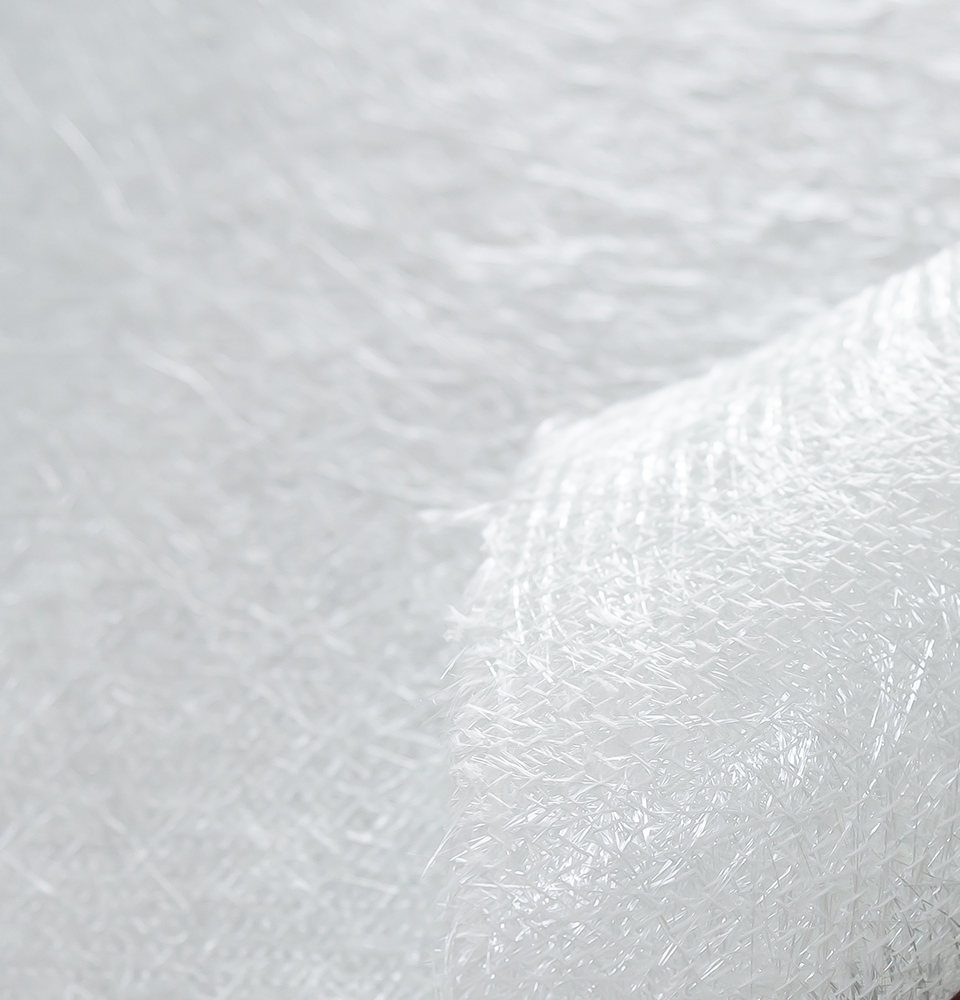
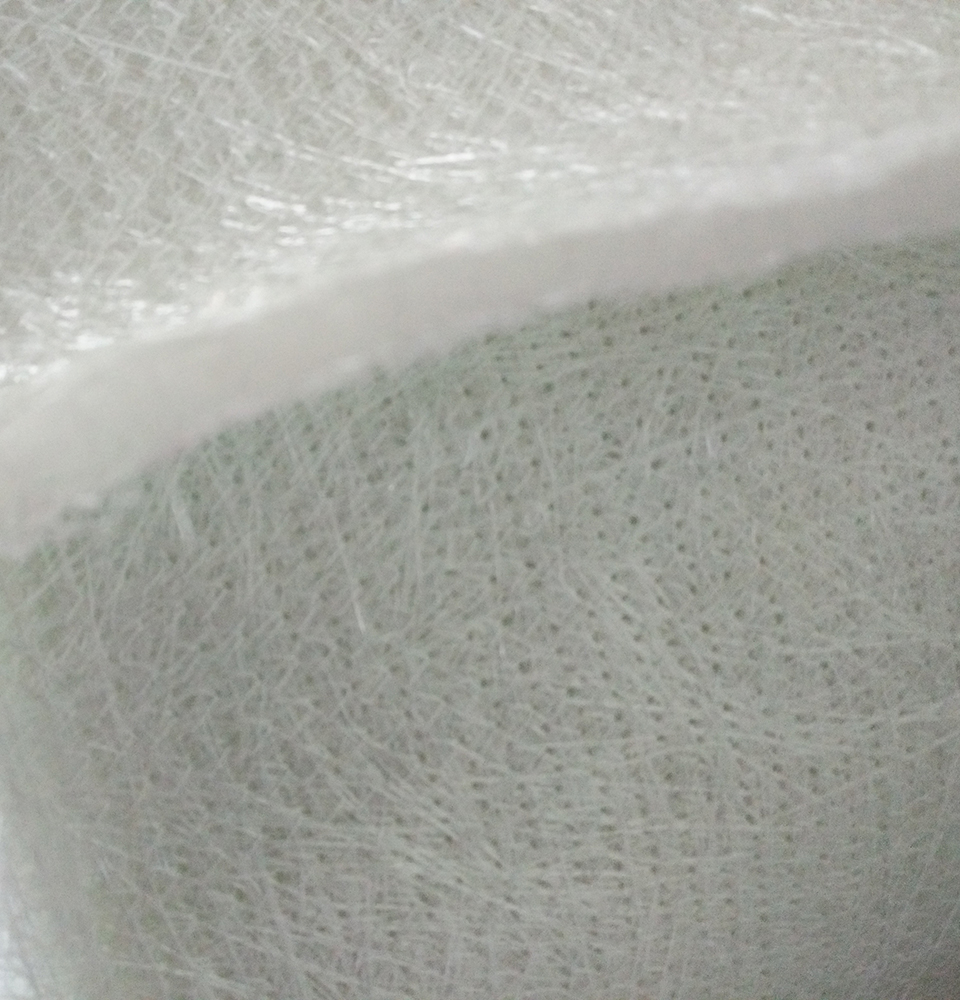
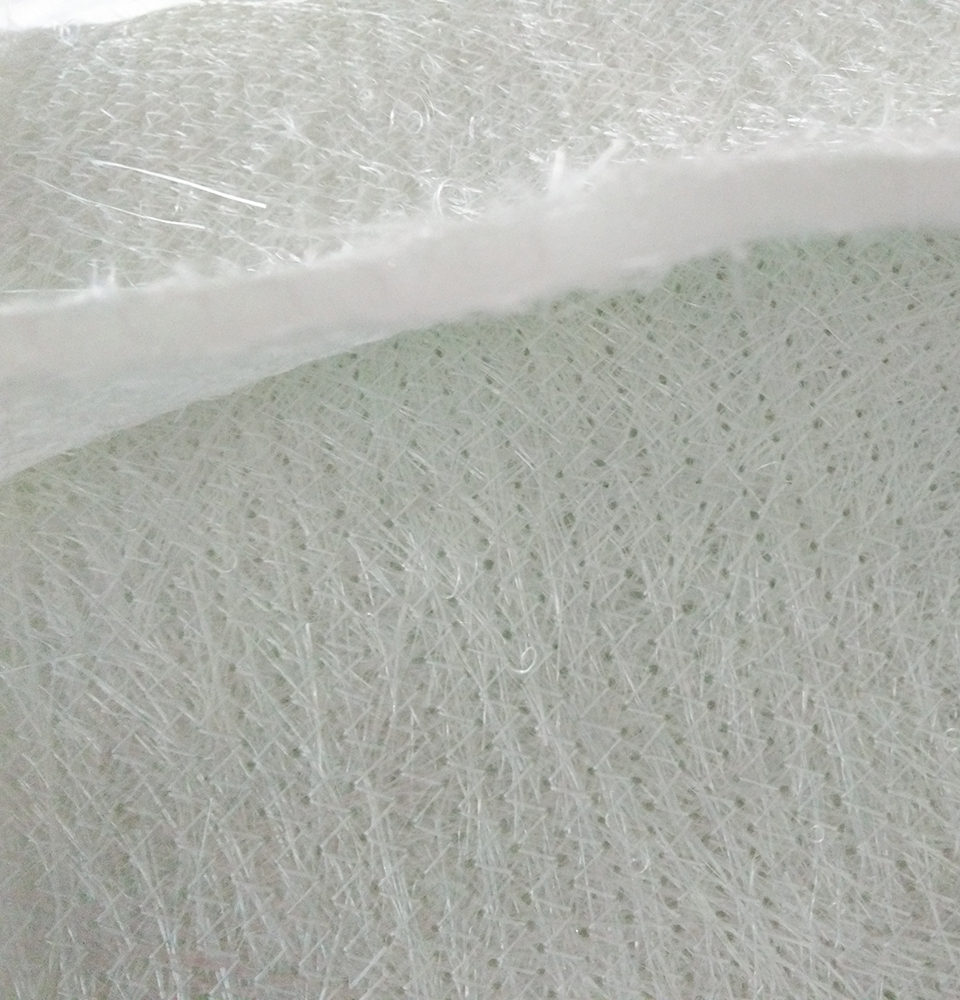
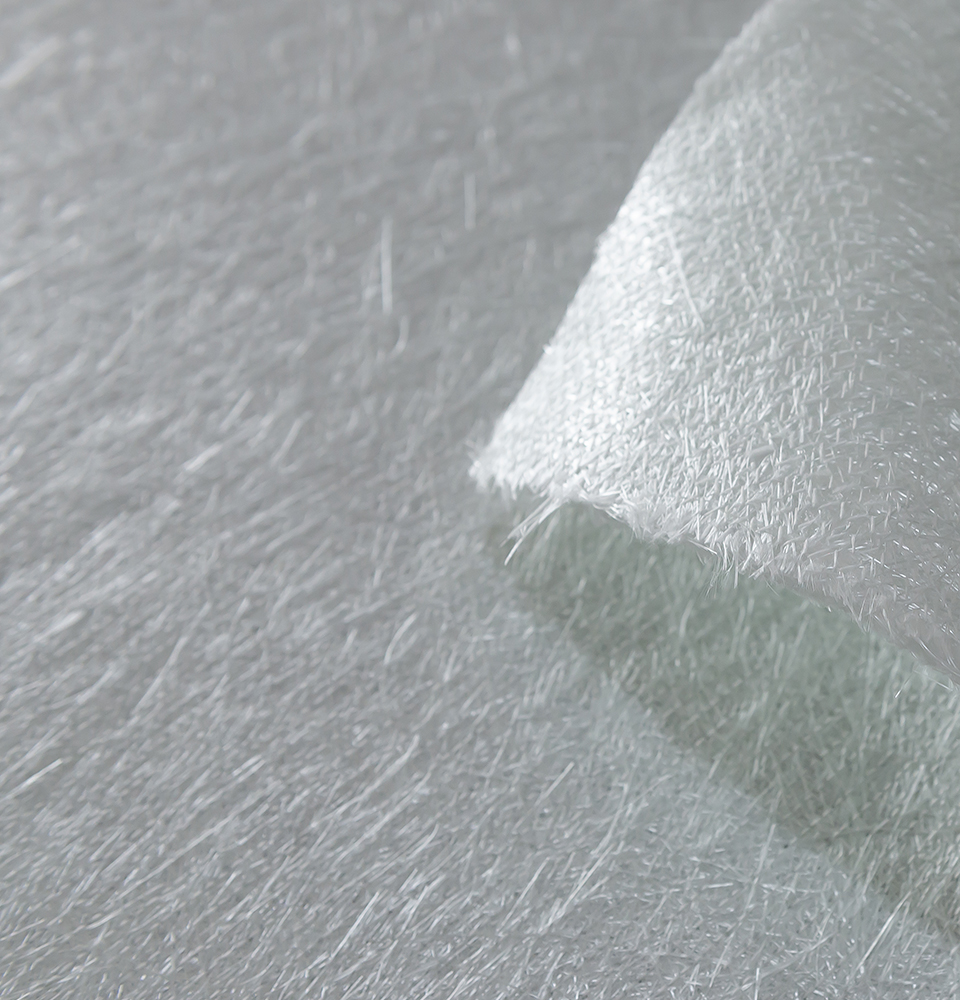
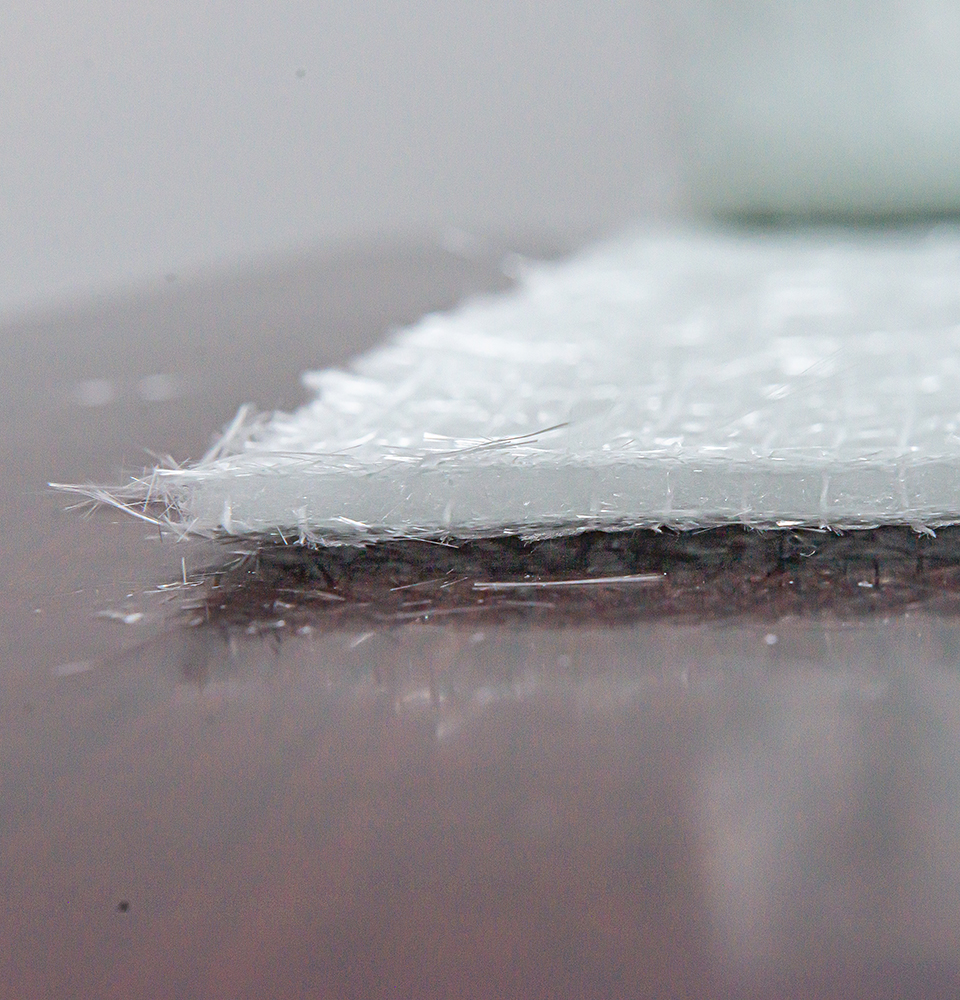
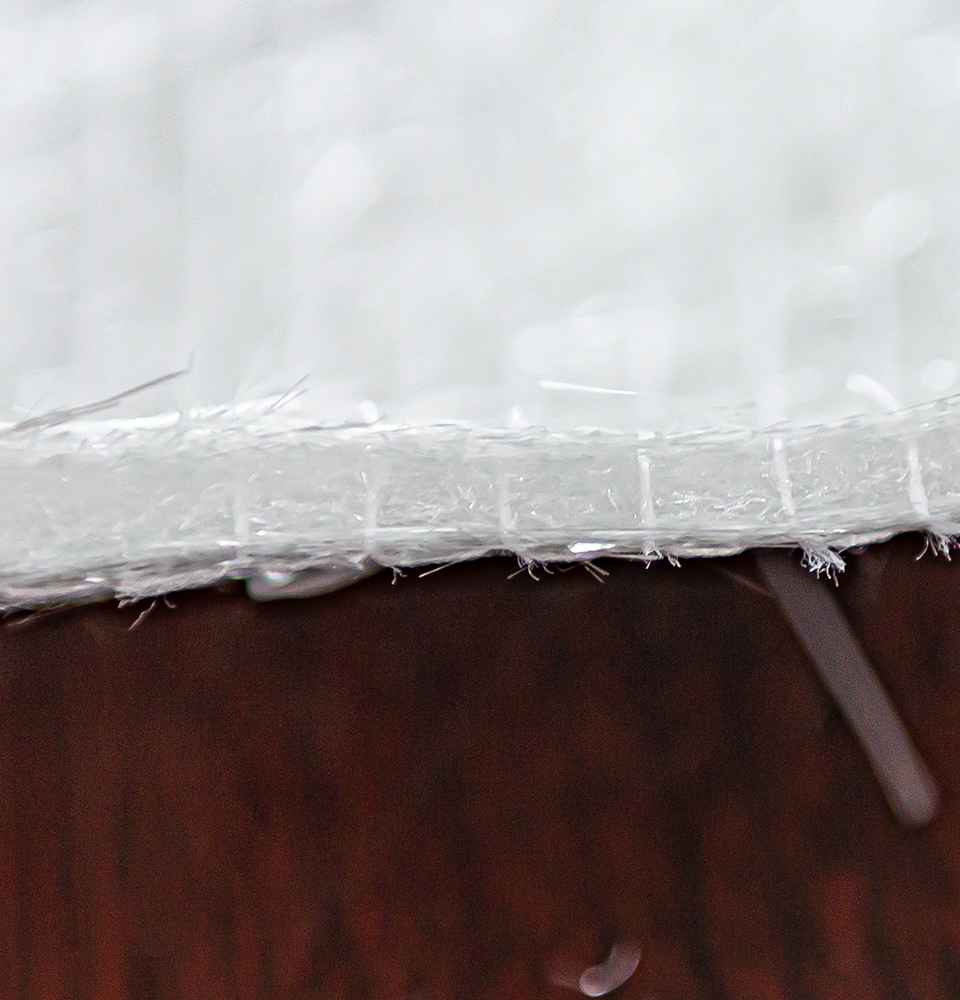
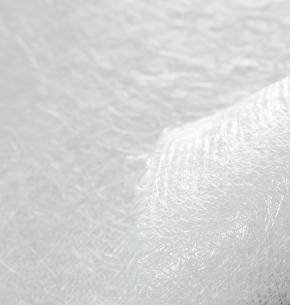
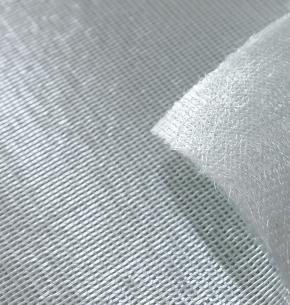
Glass Fiber RTM Core Mat (Closed Mold Mat CF) is a high-performance reinforcement material made of a synthetic non-woven core, laminated with chopped glass fibers or a mix of chopped glass and multiaxial/woven fabrics. It ensures good resin flow, uniform thickness, and enhanced mechanical strength.
Designed for RTM, vacuum forming, injection molding, and SRIM processes, it is widely used in FRP parts for boats, vehicles, aircraft, and panels, offering strength and weight reduction in one solution.
Swipe or wait — images change automatically.
| Specification | Total weight (gsm) | Deviation(%) | 0 degree(gsm) | +45 degree(gsm) | 90 degree(gsm) | -45 degree(gsm) | CSM(gsm) | Core(gsm) | CSM(gsm) | Stitching Yarn(gsm) |
| CF150/130/150 | 440 | ±7 | - | - | - | - | 150 | 130 | 150 | 10 |
| CF300/180/300 | 790 | ±7 | - | - | - | - | 300 | 180 | 300 | 10 |
| CF450/180/450 | 1090 | ±7 | - | - | - | - | 450 | 180 | 450 | 10 |
| CF600/250/600 | 1460 | ±7 | - | - | - | - | 600 | 250 | 600 | 10 |
| CF1100/200/1100 | 2410 | ±7 | - | - | - | - | 1100 | 200 | 1100 | 10 |
| 300/XT1/300 | 710 | ±7 | - | - | - | - | 300 | 100 | 300 | 10 |
| 450/XT1/450 | 1010 | ±7 | - | - | - | - | 450 | 100 | 450 | 10 |
| 600/XT2/600 | 1410 | ±7 | - | - | - | - | 600 | 200 | 600 | 10 |
| MWRM450/600/450 | 1510 | ±7 | - | - | - | - | 450 | 600(EWR) | 450 | 10 |
Remark:
>Unit weight of non-woven core: 100-300g/m2
>Unit weight of chopped strand layer: 100-1300g/m2
>Unit weight of woven roving: 200-1600g/m2
XT1 refers to one layer of flow mesh,XT2 refers to 2 layers of flow mesh.Besides the above regular specifications, more layers (4-5 layers) and other core materials can be combined according to the customer’s request. Such as woven roving/multiaxial fabrics+ core + chopped layer(single/ double sides).
Glass Fiber RTM Core Mat (also known as Closed Mold Mat CF) is a multilayer reinforcement material composed of a synthetic non-woven core laminated with chopped fiberglass or a hybrid of chopped glass and multiaxial/woven fabrics.
It ensures fast resin wet-out, consistent laminate thickness, and high mechanical performance in structural composite parts.
1. Excellent Resin Flowability – Ensures efficient infusion and air release during RTM or vacuum molding
2. Lightweight Core – Reduces overall part weight without compromising strength
3. Stable Thickness Control – Delivers uniform thickness throughout the molded part
4. Versatile Fabric Combinations – Available with chopped glass, multiaxial, or woven fabric reinforcements
5. Dimensional Stability – Maintains shape and structure under pressure and heat
Resin Transfer Molding (RTM) is a forming technology used to manufacture composite materials. It produces high-strength, high-precision composite parts by injecting liquid resin into dry fiber preforms sandwiched between two molds, where it cures and solidifies. RTM is one of the most commonly used techniques in high-performance composite manufacturing, widely applied in aerospace, automotive, wind power generation, and sports equipment fields.
1. Standard RTM: Resin is injected under pressure into dry fiber prepregs, suitable for most applications.
2. RTM-Light: Similar to standard RTM but with lower mold pressure, ideal for lighter composite products.
3. VARTM (Vacuum-Assisted RTM): Utilizes negative pressure (vacuum) within the mold to aid resin flow, suitable for large-area composite manufacturing, commonly used in the marine and wind power industries.
Preform: Fibers (such as carbon fiber, glass fiber, etc.) are arranged into the desired shape. Fibers can be fabrics, nonwovens, unidirectional tapes, etc., selected based on the final product requirements. Preform materials can be dry fibers or “wet” fibers that have been partially impregnated with resin.
Mold Preparation: The RTM process typically uses two mold halves (upper and lower molds). The molds must have a good seal to prevent resin leakage. Mold surfaces are usually coated with a release agent to facilitate part removal.
Heating and Pressing: The molds are heated to a specific temperature to promote resin curing. In some RTM processes, pressure is also applied to the molds to ensure the resin uniformly permeates the voids between the fibers.
Resin Injection: Under vacuum or high-pressure conditions, liquid resin is introduced into the mold through an injection system. The resin flows through the voids of the preform material, fully saturating the fibers to ensure adequate resin impregnation.
Curing: After resin injection, a period of heating or cooling is typically required to cure the resin, forming a robust composite structure.
Demolding and Post-Processing: Once cured, the product is removed from the mold and undergoes necessary post-processing steps such as cutting, sanding, and trimming to achieve the final finished part.


One roll is wrapped in plastic film and then placed into a carton or a large carton.
Normally, P4 (4 big rolls) or P7 (4 big rolls + 3 small rolls) or 6, 9, or 12 small rolls are packed per pallet horizontally/vertically. It can be customized based on the loading method.
Fiberglass products should be stocked in a dry, cool, and waterproof place. The best condition is with a temperature between 15-35℃, with a relative humidity between 30%-65%. Please keep the product in its original packaging before use, avoiding moisture.


Weitong currently operates over 30 fiberglass weaving machines for producing woven roving, along with various other equipment, including stitched mat machines, multiaxial tricot machines, PP core mat machines, and carding machines. Our annual production capacity reaches 3,000 tons of woven roving, 5,000 tons of stitched mat, 10,000 tons of multiaxial fabrics, 8,000 tons of combo mat, and 2,000 tons of RTM core mat.


Our team has already attended the China(Shanghai) International Composite Exhibition for 9 years, and JEC France, Composites Europe, and JEC Asia several times in France, Germany and Korea.
Backed by a highly skilled team of professional technicians, we have strong capabilities in developing and customizing specialized products to meet diverse customer requirements.