Empowering Precision, Defining Efficiency.
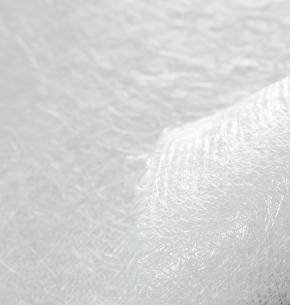
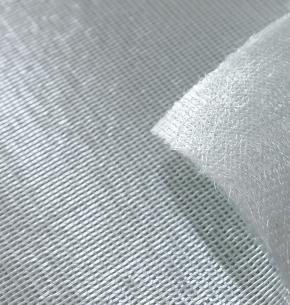
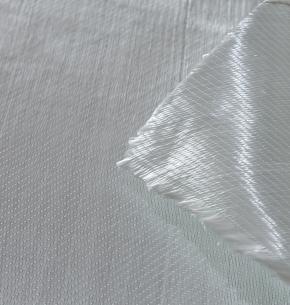
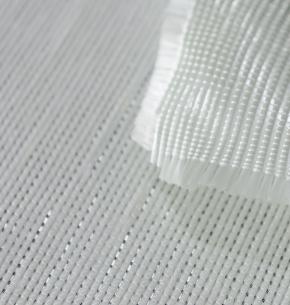
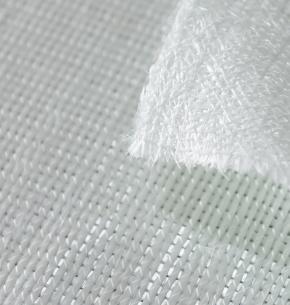
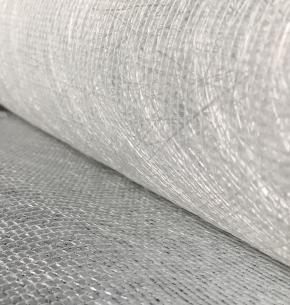
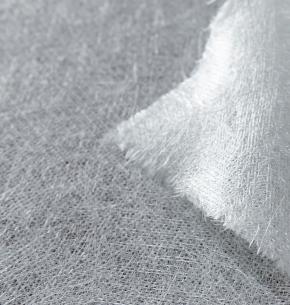
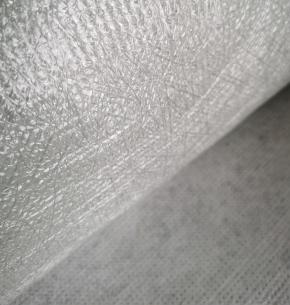
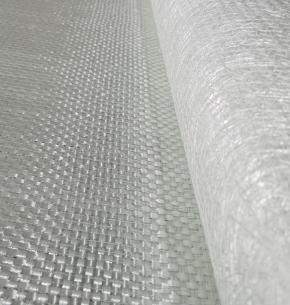
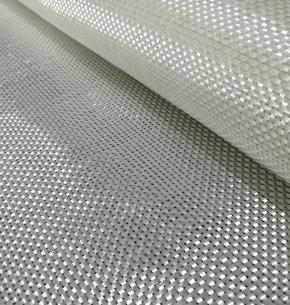
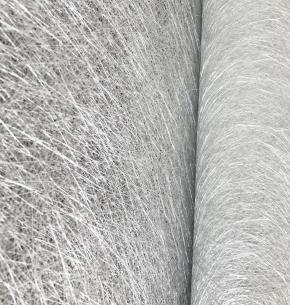
We operate over 30 fiberglass weaving machines for woven roving, along with advanced equipment such as stitched mat machines, multiaxial tricot machines, PP core mat machines, and carding machines. Our annual production capacity includes 3,000 tons of woven roving, 5,000 tons of stitched mat, 10,000 tons of multiaxial fabrics, 8,000 tons of combo mat, and 2,000 tons of RTM core mat.
Our experienced technical team enables us to provide customized fiberglass reinforcement solutions. Core products include woven roving, stitched mat, combo mat, multiaxial fabrics, PP core mat, and RTM core mat. These materials are widely used in FRP applications, including pipes, chemical tanks, boat hulls, automotive components, wind turbine blades, construction, aerospace, and sports equipment.
We serve customers across more than 20 provinces in China and export to over 20 countries and regions, including North America, the Middle East, Europe, and Southeast Asia. All products are manufactured in compliance with ISO 9001, ISO 14001, and OHSAS 18001 standards to ensure consistent quality and safety.
Driven by market demand, we continue to enhance our capabilities and aim to build a globally competitive enterprise with advanced technology, efficient management, and a skilled team.
If you have any questions, require additional information, or would like to contact our team, we are here to assist you.
Email: info@wtfiberglass.com
Phone: +86-573-88687898 / +86-18610855617
Address: No.168 Jianye Road, Fengming Street, Tongxiang, Zhejiang, China,314505
Website: https://www.wtfiberglass.com/
Should you have any questions regarding our products, production methods, or market insights, our team is at your service. We look forward to the opportunity to engage with you.
A: Glass fiber reinforced polymer is a composite material made of glass fibers embedded in a polymer resin matrix, combining high strength, low weight, and excellent corrosion resistance.
It is also commonly referred to as fiberglass reinforcement, or fiberglass reinforced polymer, depending on regional and industry usage.
A: The main components of glass fiber reinforced polymer are fiberglass and polymer resin matrix. The fiberglass provides strength and stiffness, while the resin binds the fibers together, transfers loads, and protects them from environmental and chemical damage.
A: Its advantages over other materials include the high strength-to-weight ratio, excellent corrosion and chemical resistance, low maintenance requirements, and good electrical insulation. In addition, glass fiber reinforced polymer offers design flexibility, long service life, and improved durability in harsh or outdoor environments compared to metals and traditional materials.
A: It is not inherently fire-resistant, as the polymer matrix can be combustible. However, fire-retardant formulations are available that incorporate special resins and additives to reduce flame spread, smoke generation, and heat release, allowing the material to meet specific fire safety standards.
A: It is partially eco-friendly due to its long service life, durability, and low maintenance requirements, which reduce material replacement and resource consumption over time. However, its recyclability is limited compared to metals, as the glass fibers and resin matrix are difficult to separate, though recycling technologies and more sustainable resin systems are continually developing.